17/07/2020
COMECE contribution to the anti-money laundering consultation (EN)
The Catholic Church in the European Union
Commission of the Bishops’ Conferences of the European Union

In its contribution to the ‘Consultation on the White Paper on Artificial Intelligence – A European Approach’, COMECE calls the EU institutions to adopt a human-centric approach to Artificial Intelligence (AI) in order to promote the common good and serve the lives of all human beings both in their personal and community dimensions. The COMECE contribution, published on 14 June 2020, welcomes the White Paper’s … Continue reading
“Converting Hagia Sophia into a mosque distances Turkey from Europe and it is a blow to the Orthodox Church and to interreligious dialogue”, stated Fr. Manuel Barrios Prieto, General Secretary of COMECE, on Friday 10 July 2020 commenting the decision of Turkey’s highest administrative court, the Council of State, to allow the change in status of World Heritage Monument Hagia Sophia from a museum to … Continue reading

The President of COMECE, H.Em. Card. Jean-Claude Hollerich SJ, and other Bishop Delegates to COMECE, together with more than 110 Catholic Bishops from all around the world, signed on Monday, 6 July 2020, the declaration “Now more than ever, we need mandatory supply chain due diligence to stop corporate abuse and guarantee global solidarity”, demanding public authorities to introduce binding legislation to stop corporate abuses, … Continue reading
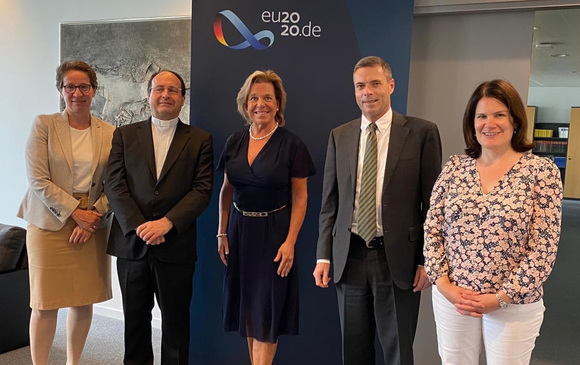
An ecumenical delegation of the Commission of the Bishops’ Conferences of the European Union (COMECE) and the Conference of European Churches (CEC) have met in Brussels on Tuesday, 7 July 2020, with Mr. Michael Clauss, Ambassador at the Permanent Representation of Germany to the EU, to exchange on the priorities of the German Presidency of the Council of the European Union. The delegation called the … Continue reading

The European Laudato Si’ Alliance (ELSi’A) is looking for a Project Coordinator who will coordinate its network on behalf of all its member organisations. The position is a full time/5 day per week, one-year contract, with the possibility of extension. The job is based in Brussels. Download the Job Offer or read the offer on Linkedin. The European Laudato Si’ Alliance (ELSi’A) is a joint … Continue reading
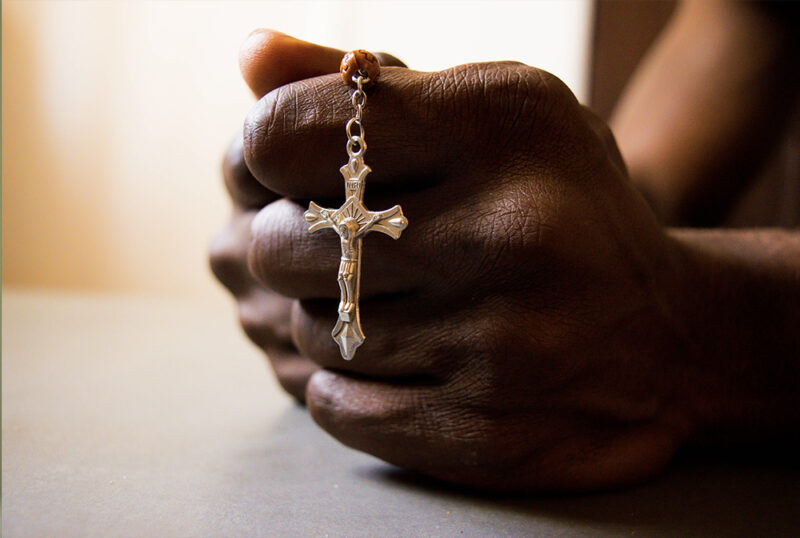
In a recent letter sent to the Catholic Bishops’ Conference of Nigeria, H.Em. Card. Jean-Claude Hollerich SJ, President of COMECE, expressed his solidarity to the Christian communities in the African country, who are “living a situation of continuous attacks by terrorists, insurgents and militias, that in some cases reaches levels of genuine criminal persecution”. In the letter to the Nigerian Bishops, Cardinal Hollerich assured that … Continue reading
In a recent letter sent to the Catholic Bishops’ Conference of Nigeria, H.Em. Card. Jean-Claude Hollerich SJ, President of COMECE, expressed his solidarity to the Christian communities in the African country, who are “living a situation of continuous attacks by terrorists, insurgents and militias, that in some cases reaches levels of genuine criminal persecution”. In the letter to the Nigerian Bishops, Cardinal Hollerich assured that … Continue reading
